Assessing Ange Postecoglou’s Tactical Impact on Tottenham
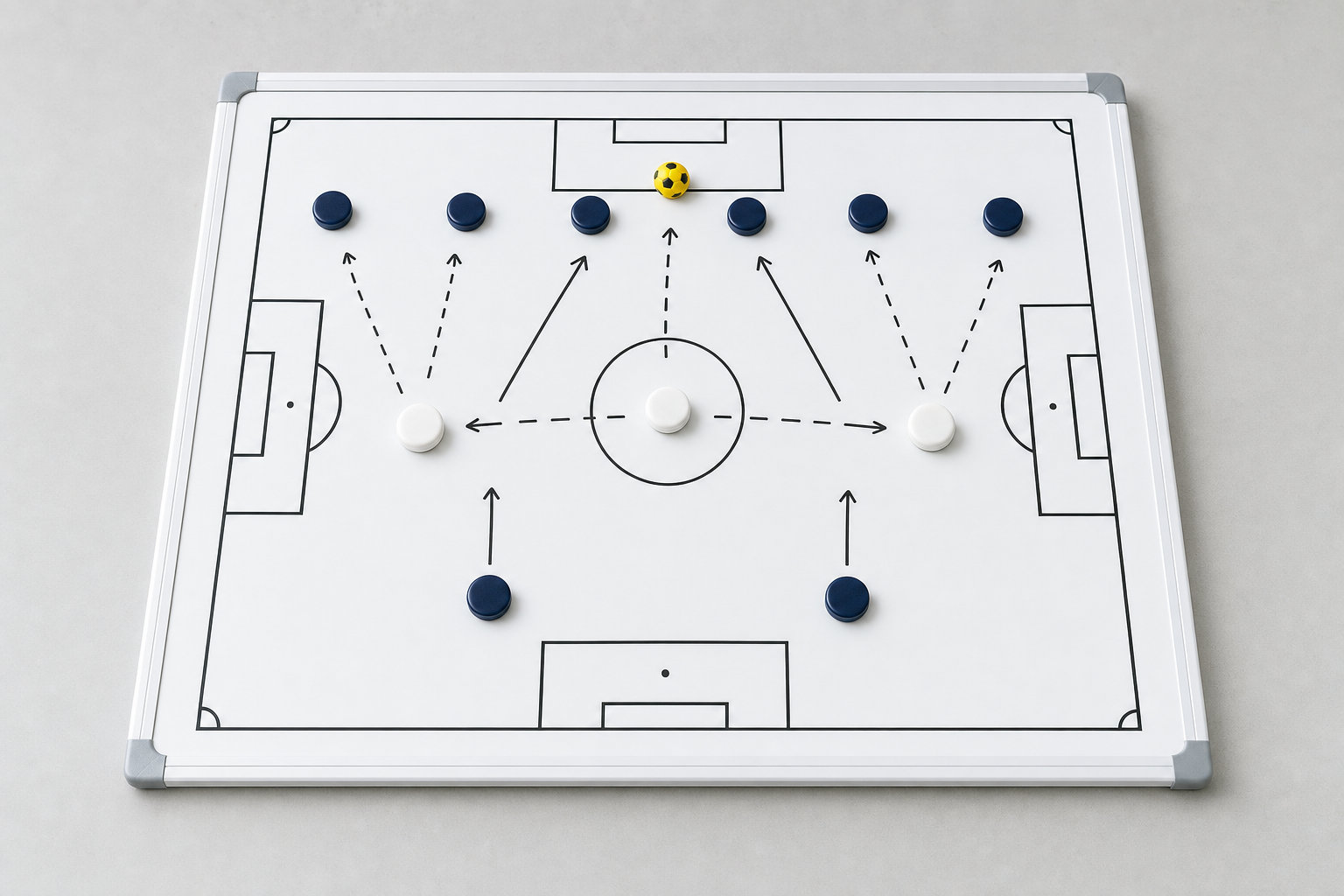
Ange Postecoglou’s arrival has signalled a decisive tactical shift and a renewed identity for Tottenham. Fans and analysts are closely observing how these changes influence performances on the pitch and impact long-term progress. This analysis unpacks the structure, strategies, and challenges that shape the side’s evolving approach under new leadership.
Tottenham’s appointment emphasised a clear move towards proactive, attacking football, raising expectations among supporters attuned to stylistic trends in the modern game. The implementation of a bold tactical template has brought both excitement and scrutiny, with players adapting to distinct on-pitch demands. The way the squad adjusts to these tactics can be as closely followed by supporters as activities people enjoy elsewhere, such as when some choose to play slots in ireland. Understanding the fundamental mechanisms behind the manager’s system sheds light on what you see each matchday and how the club hopes to define its future identity.
Shaping the team’s identity on the pitch
Ange Postecoglou’s tactical principles focus on dominance through ball possession and positional play. The team’s intent is to control matches by building from the back, maintaining specific spacing, and progressing through compact passing triangles across the pitch. This identity marks a notable departure from more reactive styles seen in recent years, emphasising assertiveness at every stage of possession.
Fans will recognise a clear, coordinated pattern to the build-up phase. In possession, Tottenham typically forms a 2-3-5 or 3-2-5 structure, with fullbacks stepping into advanced midfield positions. This shape aims to overload central zones and create vertical passing options. Out of possession, the team compresses space and guides opposition play into congested areas, establishing collective defensive discipline that aligns with the new tactical ethos.
Pressing approach and the role of the defensive line
The pressing system relies heavily on a high defensive line and synchronised forward pressure. The squad works to regain the ball quickly, crowding opponents and forcing turnovers in advanced positions. This approach not only supports attacking transitions but also reduces the opposition’s capacity to build comfortably from deeper areas, reflecting a high-risk, high-reward mindset.
The risk profile of this system means that defensive responsibilities are tightly coordinated. A disciplined back line pushes up to narrow space between lines, reducing gaps for attackers to exploit. However, as you examine details in match patterns, the strategy is susceptible to quick counterattacks behind the defensive line. In these moments, speed and anticipation become crucial to maintaining compactness and avoiding concessions.
Functional roles of fullbacks, midfield, and attacking trio
The manager’s scheme depends on flexible, intelligent fullbacks. At times, they invert into midfield, increasing numerical superiority in central areas and assisting in ball progression. On other occasions, they hold width to stretch the opposition and support rest defence, making fullback deployment a key tactical lever.
In midfield, a single pivot often anchors the system, orchestrating play and distributing under pressure. The pivot’s ability to screen defensive transitions and connect lines is central to structure. Higher up, the attacking trio rotates frequently, combining well to create overloads and threaten depth. Wingers drift inside to stretch defensive blocks while the central forward pins defenders and links play.
Managing match states and adjusting to opponents
Game-state management is integral to Postecoglou’s methodology, with evident changes when Tottenham is leading or chasing matches. The team may shift emphasis from aggressive pressing to more measured possession, using ball circulation to slow the tempo when ahead. Facing compact defensive set-ups, Tottenham adapts with patient build-up and positional rotation, maintaining composure to unlock low blocks.
Vulnerabilities can emerge during rapid transitions or against teams exploiting space behind the high back line. Recognising these risks, the side works on collective counter-pressing and quick reorganisation, but the open nature of the system requires ongoing management as match circumstances evolve.
Player profiles, squad building, and future questions
The tactical approach clearly favours versatile players, particularly fullbacks comfortable both defending wide and stepping into central roles. Midfielders must demonstrate composure under pressure while forwards need to excel in both combination play and direct running. This profile shapes recruitment and development priorities, emphasising adaptability and technical skill.
While certain improvements, such as more consistent build-up and clearer attacking phases, are apparent, unresolved tactical questions remain. Player suitability for high defensive lines, maintaining intensity over a full season, and adapting to varied opponents will define future progress. How the squad evolves in response to these demands is likely to shape the club’s identity and success for seasons to come.


More Tottenham Hotspur blogs




 Almere City
 Athletic Club
 Bayer 04 Leverkusen
 Bordeaux
 Anderlecht
 Formula 1 News
Spurs-news.com
Visit Spurs-news.com for your daily news, standings, statistics and more about Tottenham Hotspur from London. Stay up to date with the latest Tottenham Hotspur transfers and view the live scores during Tottenham Hotspur games.